
The Evolution of Sailing Technology: From Traditional to Modern Yachting
25.02.2025
Sailing has come a long way from the early days of wooden boats and simple cloth sails. Over centuries, advancements in sailing technology have transformed yachting from an essential means of transportation to a sophisticated and luxurious sport. This evolution reflects humanity's continuous quest for efficiency, speed, and innovation. In this blog, we will explore how sailing technology has progressed from traditional techniques to modern advancements, shaping the world of yachting as we know it today.
The Origins of Sailing
The origins of sailing can be traced back to ancient civilizations, including the Egyptians, Phoenicians, and Greeks, who relied on wind-powered vessels for trade and exploration. Early sailing boats were constructed from wood and utilized simple square sails that harnessed wind power for propulsion. Navigation during this time was based on celestial positioning, and sailors heavily depended on their knowledge of the stars, tides, and ocean currents.
As sailing evolved, different cultures introduced technological innovations. The Chinese developed the battened junk sail, while the Arabs refined the lateen sail, allowing ships to sail against the wind. These developments played a crucial role in the Age of Exploration, enabling European explorers to traverse vast oceans and discover new lands.

The Age of Exploration and the Rise of Advanced Sailing
The 15th to 18th centuries marked a significant advancement in sailing technology. The development of full-rigged ships, such as the caravel and galleon, improved speed, maneuverability, and cargo capacity. Navigation also saw a revolution with the introduction of the magnetic compass, astrolabe, and, later, the sextant, allowing sailors to chart their courses more accurately.
During this period, shipbuilding techniques improved significantly. Stronger hull designs and advanced rigging systems made long voyages more feasible and safe. Integrating multiple masts and sophisticated sail configurations optimized wind power utilization, making transoceanic travel more efficient.
The Birth of Modern Yachting
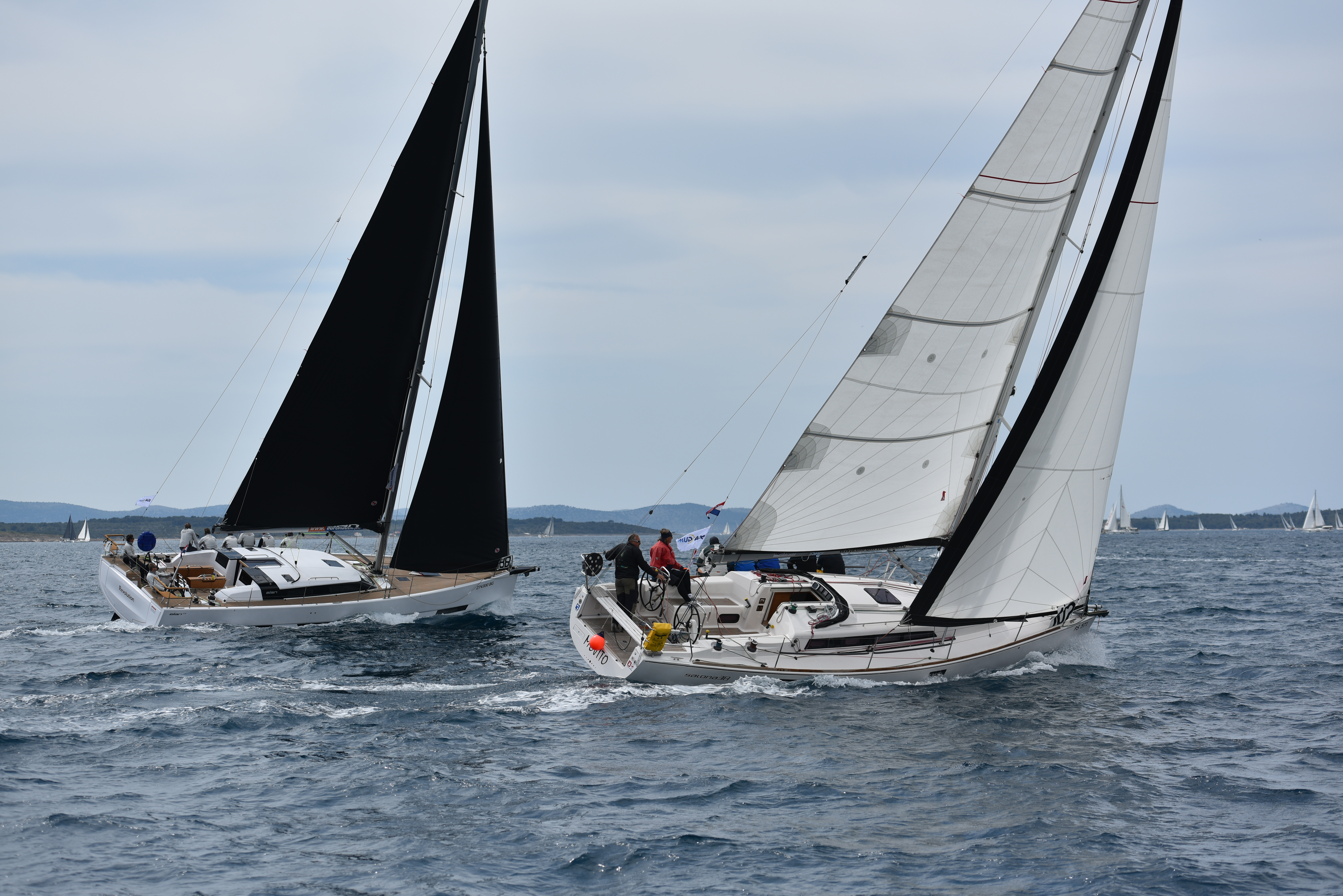
The 19th century saw the emergence of yachting as a recreational activity rather than just a means of trade or exploration. The Industrial Revolution played a significant role in shaping modern sailing, as iron and steel began to replace traditional wooden hulls. This shift resulted in stronger, more durable yachts with improved hydrodynamics and increased speeds.
Steam engines started to appear in yachts, providing an auxiliary means of propulsion when wind conditions were unfavorable. Yacht racing became popular, leading to innovations in hull design, sail materials, and rigging techniques. Events such as the America's Cup, established in 1851, set new standards for sailing performance and competition.
Conclusion
From ancient wooden vessels to high-tech carbon fiber yachts, the evolution of sailing technology has been a fascinating journey. Each era has contributed groundbreaking advancements that have reshaped how we navigate the waters. As technology advances, the future of yachting promises even more significant speed, efficiency, and sustainability, ensuring that the thrill of sailing remains alive for generations to come.
Whether you are a seasoned sailor or a yachting enthusiast, embracing modern sailing innovations can enhance your experience on the water. Stay tuned for more updates on the latest in sailing technology and trends!
Charters contact form
Related boats (n = 94)
-
 -15%
-
 -15%
-
 -15%
-
 -15%
-
 -15%
-
 -15%
-
 -15%
-
 -15%
-
 -20%
 280.00 €
 Auto reload after scroll down
| First | Previous | 1 | 2 | 3 | 4 | 5 | Next | Last | All |