
Essential Safety Tips for Boating Enthusiasts
04.11.2024
1) Check the Weather Before Setting Sail
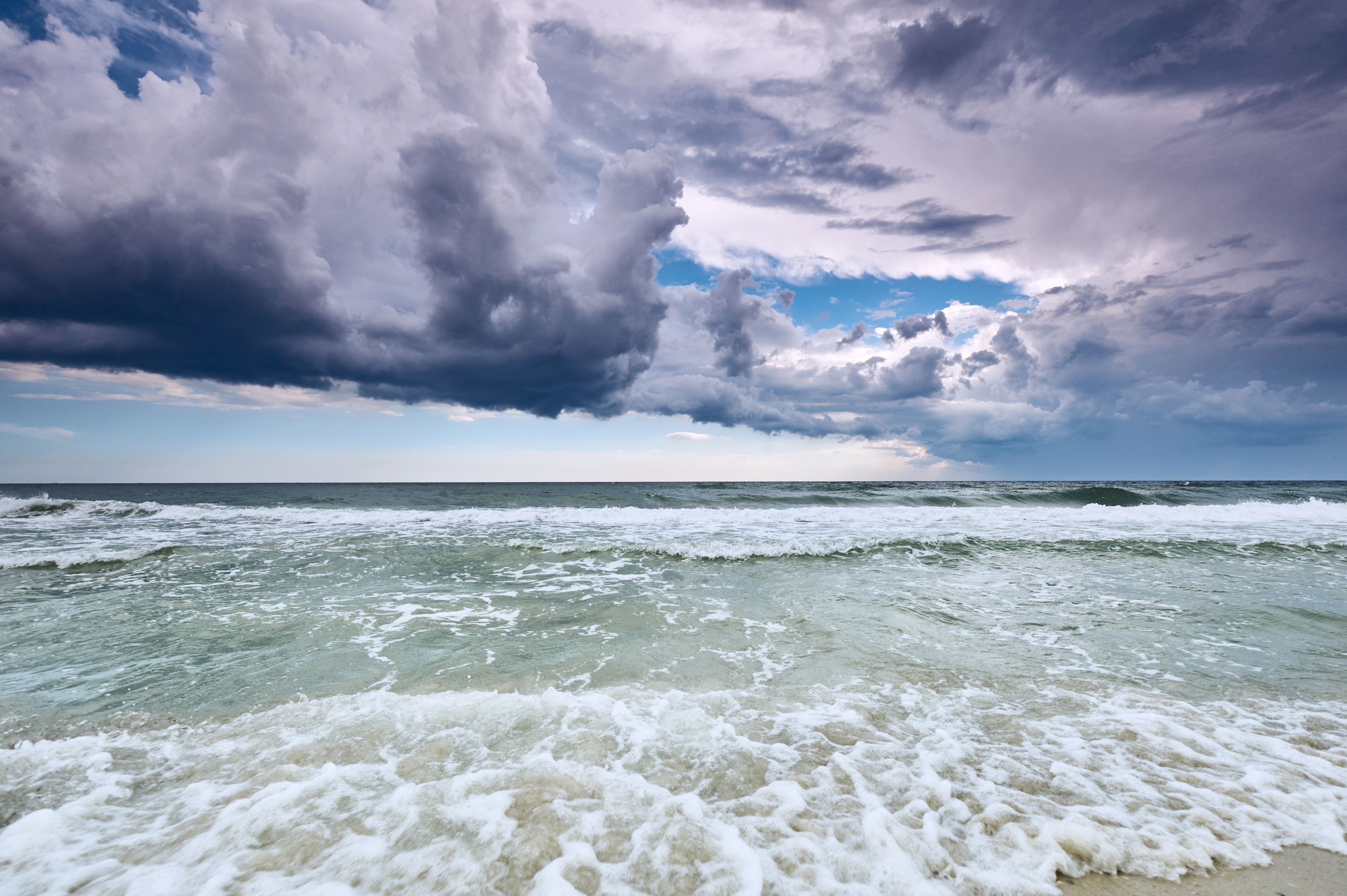
Before heading out, always check the latest weather forecast. Conditions can change rapidly, especially on open water, and a sunny morning can quickly turn into a stormy afternoon. Look for any indications of severe weather, high winds, or low visibility. Many apps and websites provide real-time updates and alerts specifically for boating. If conditions look questionable, it's best to reschedule your trip.
2) Create a Float Plan
A float plan is a document that includes critical details about your trip, such as where you're going, your expected departure and arrival times, and who's on board. Share this plan with a trusted person onshore, whether a friend, family member or a local marina office. If something goes wrong, your float plan provides crucial information to search and rescue teams.
3) Stock Up on Safety Equipment
Ensuring you have all the necessary safety gear is essential for any boating trip. Here's a quick checklist:
- Life Jackets: Make sure each person on board has a properly fitting, Coast Guard-approved life jacket.
- Fire Extinguishers: Keep at least one fire extinguisher on board and check it periodically to ensure it's fully charged.
- First Aid Kit: Have a well-stocked kit that includes bandages, antiseptics, seasickness remedies, and necessary prescription medications.
- Emergency Flares and Signal Devices: These can be life-saving in an emergency. Make sure everyone knows how to use them.
4) Brush Up on Basic Navigation Skills
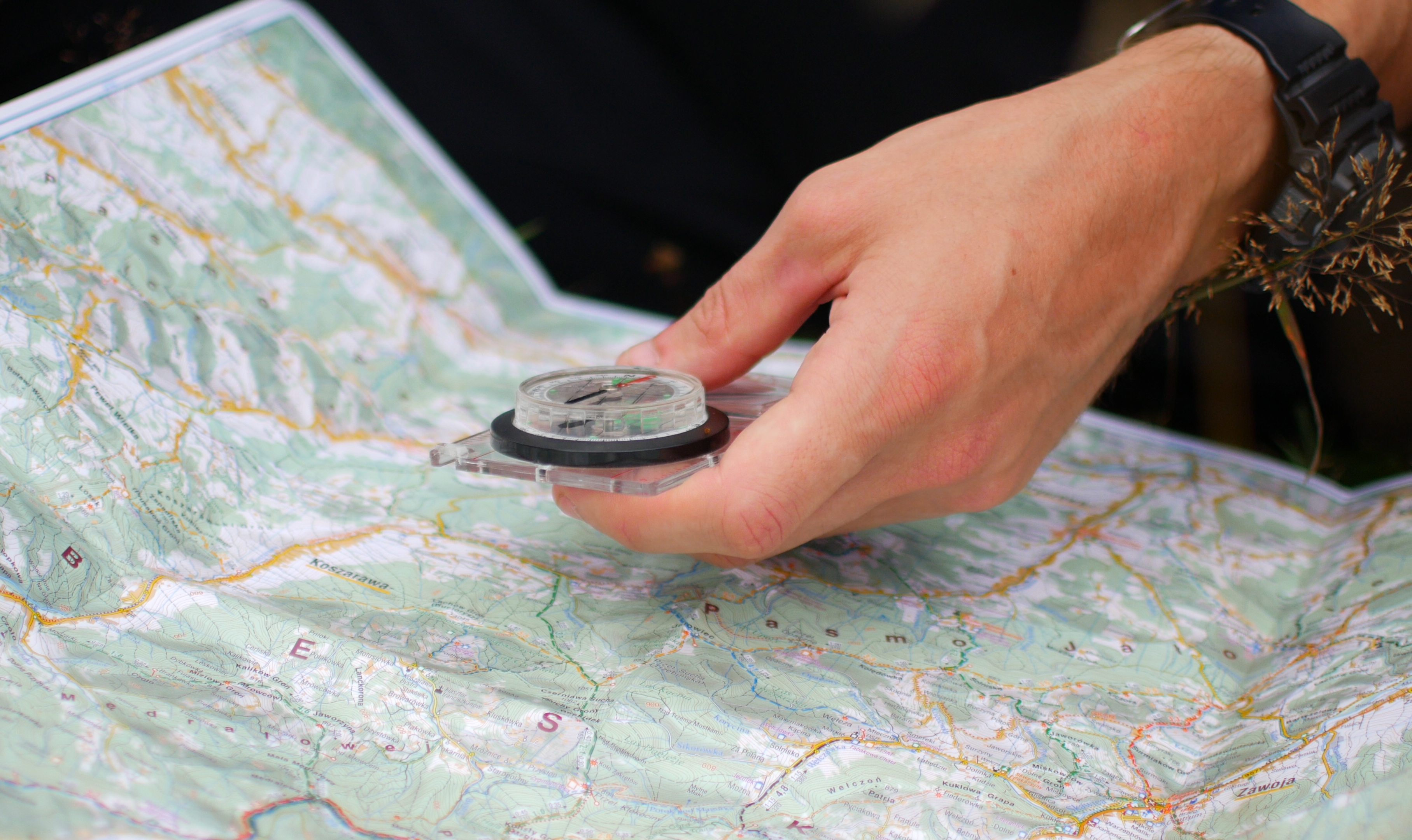
Even if you rely on GPS, having a foundational understanding of nautical navigation is essential. Familiarize yourself with reading charts, recognizing navigation buoys, and using a compass. Additionally, brush up on basic maritime "rules of the road"—understanding right-of-way rules can help avoid collisions.
5.) Know Your Boat Inside and Out
Whether you own or rent a boat, take time to familiarize yourself with its layout, controls, and emergency exits. Know the locations of fuel tanks, battery switches, bilge pumps, and fire extinguishers. In an emergency, every second counts, and understanding your boat's layout will help you respond faster.
6) Practice Proper Anchor Techniques
Anchoring might seem simple, but incorrectly can lead to dangerous situations. Select an area with minimal current and adequate depth for anchoring. Lower the anchor slowly to avoid tangling, and ensure it's secure before leaving the helm. Remember to check that it's holding, especially in areas with currents or waves.
7) Establish and Practice a "Man Overboard" Procedure
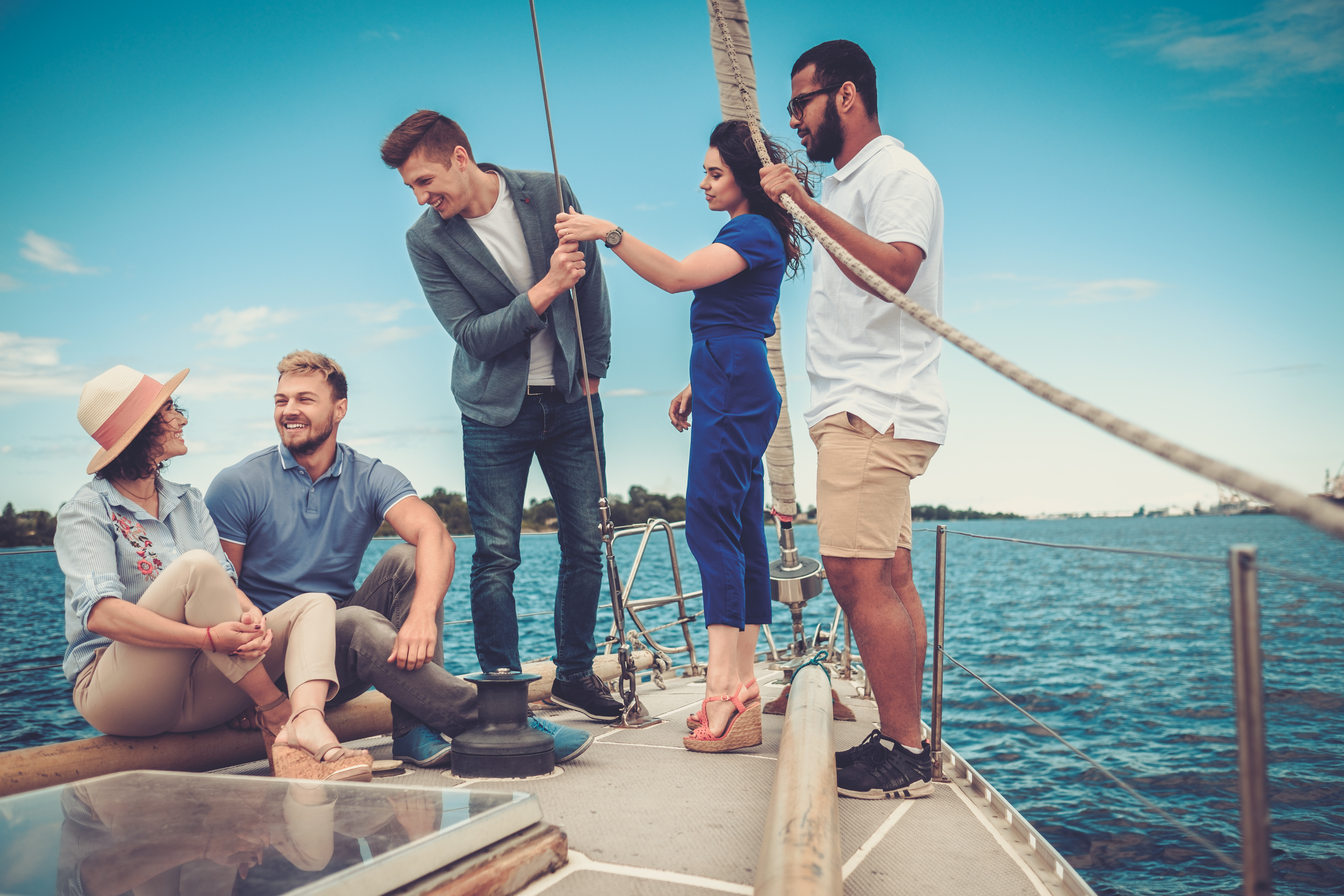
Falling overboard is one of the most common boating accidents. Have a plan in place and make sure everyone on board knows it. Designate a spotter to keep an eye on the person overboard, throw a life ring, and circle back carefully. Practicing this drill beforehand can make a huge difference in an emergency.
In Conclusion
Boating offers an incredible way to enjoy nature, relax, and create lasting memories. By following these essential safety tips, you can help ensure that every trip is as safe as enjoyable. Preparation and caution go a long way toward protecting you, your passengers, and everyone sharing the sea with you.
Related boats (n = 94)
-
 -20%
-
 -20%
-
 -20%
-
 -20%
 280.00 €
 Auto reload after scroll down
| First | Previous | 7 | 8 | 9 | 10 | 11 | Next | Last | All |